Across manufacturing, construction, food processing, and automotive plants, safety teams moved from paper + spreadsheets to connected workflows, reducing delays, improving reporting discipline, and making audit proof easy to pull.
Multi-industry
Large workforce with high contractor dependency
High-risk operations + audit-heavy governance
Manual effort reduced
Incident reporting accelerated
Near-miss culture strengthened
Audit closure improved
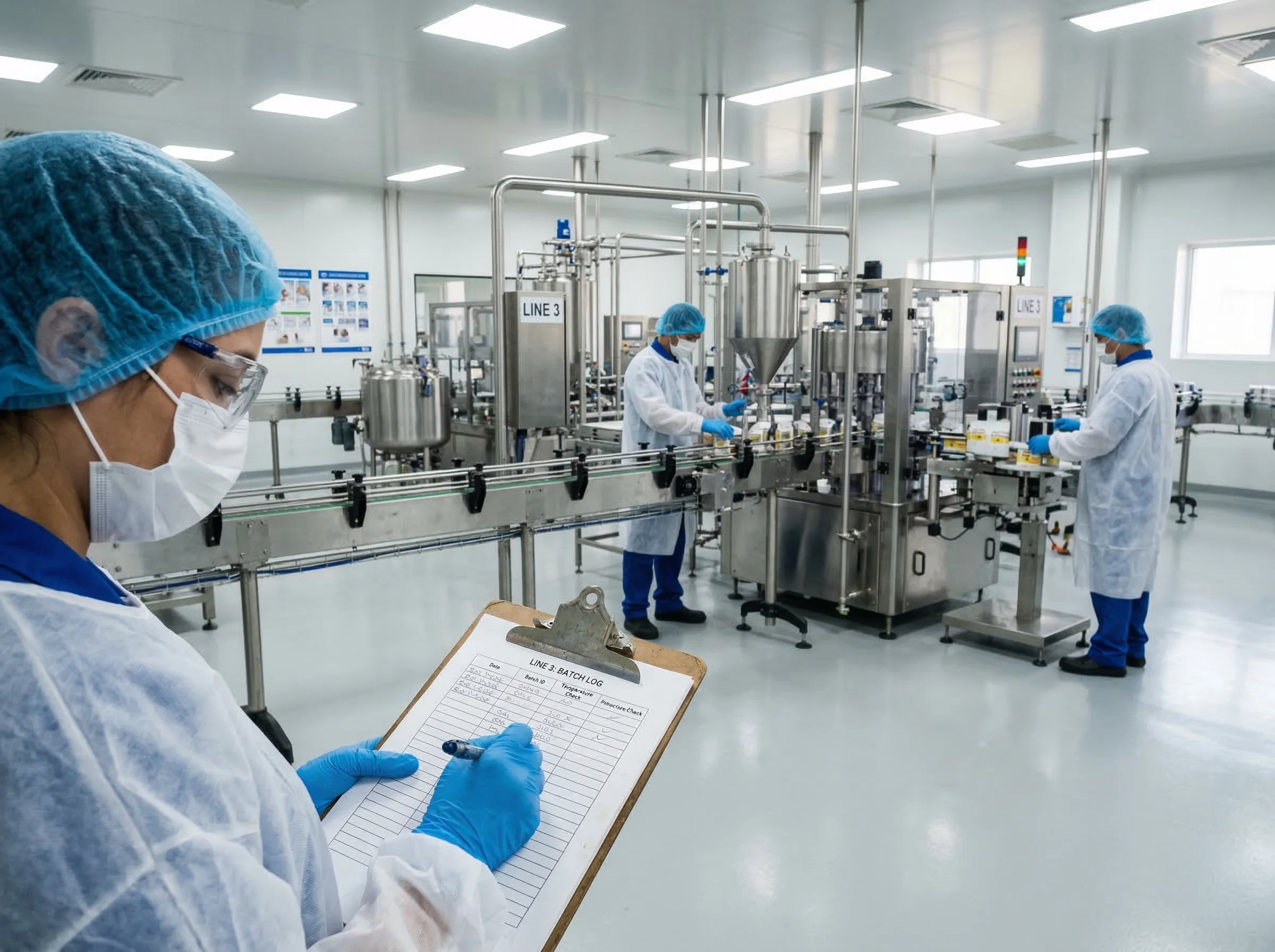
Before OQSHA, safety teams were running critical workflows across paper registers, spreadsheets, and personal chat threads, creating delays, missed follow-ups, and weak audit proof.
Approvals depended on chasing signatures and WhatsApp replies.
"Work waited for sign-offs, not controls."
Photos, logs, and documents sat in phones, email, or local folders.
"Proof existed, but never in the record."
Actions got assigned but weren't tracked to closure across sites.
"Deadlines moved, owners changed, closure didn't happen."
Audit prep meant collating data manually and reconciling missing trails.
"Every audit became a last-minute scramble."
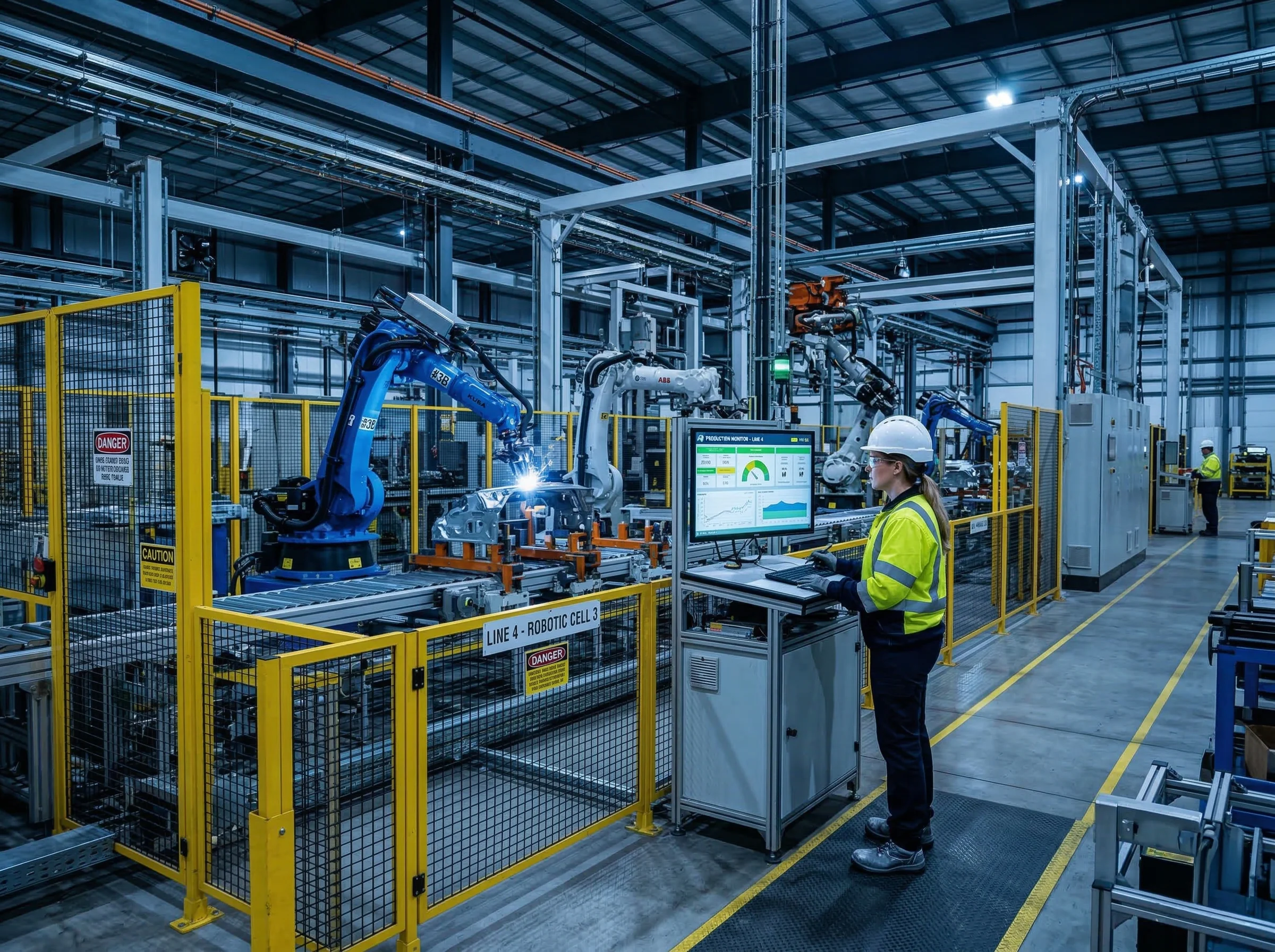
Contractor competence checks were inconsistent at the point-of-work.
"Hard to verify who is cleared to start."
OQSHA was configured to match existing SOPs while digitizing the governance layer, so every step is time-stamped, owned, and export-ready.
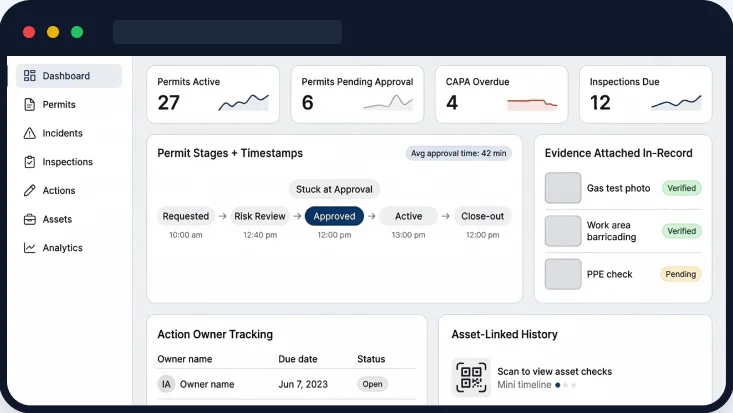
Multi-stage approvals and validations converted into clean digital flows with reminders and escalations.
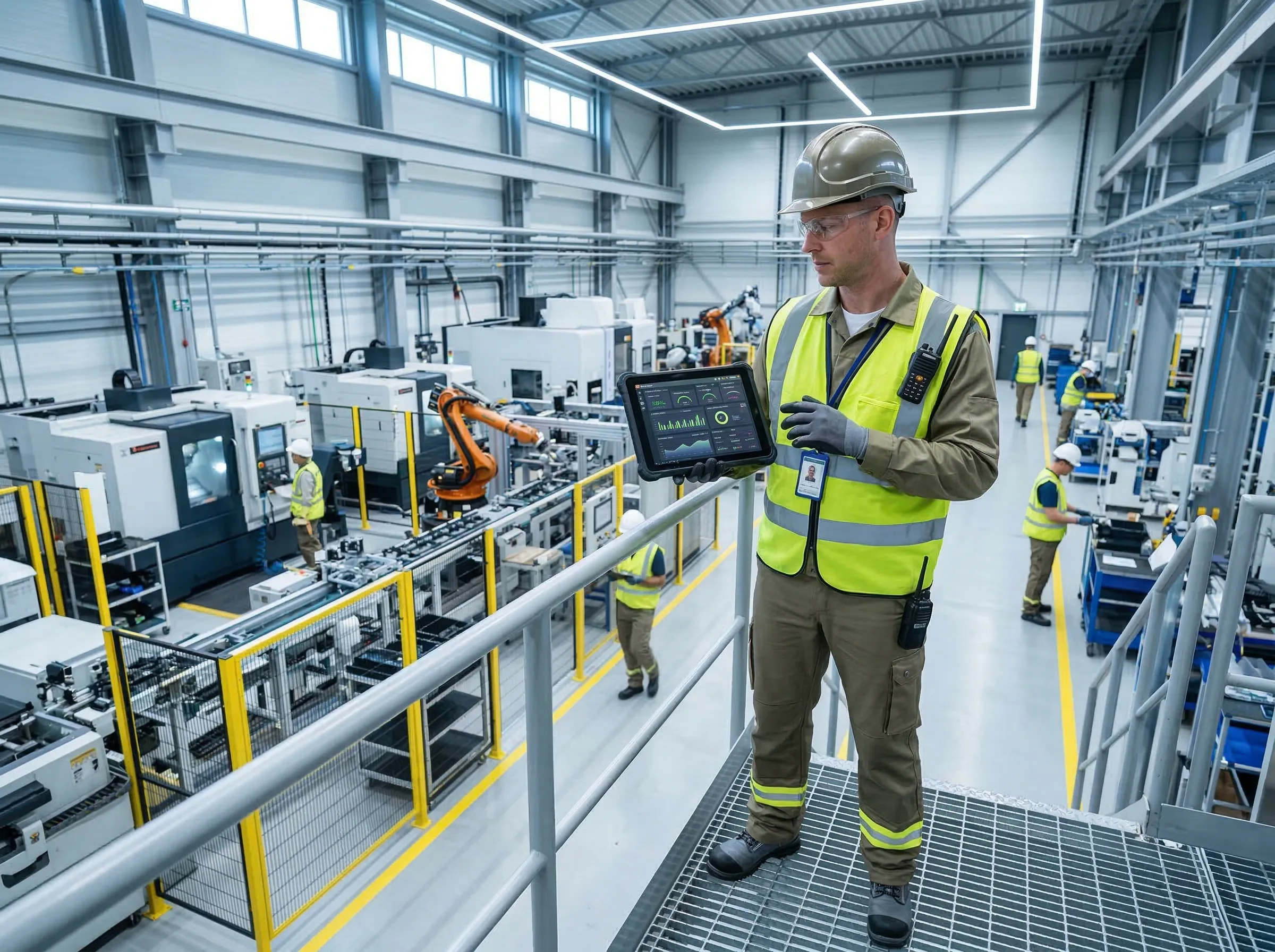
Workers and supervisors captured incidents, observations, and evidence at the workforce, without admin overhead.
A structured path from SOP mapping to site-wide adoption.
The shift from reactive to proactive safety management.
Permit approvals became predictable
Reporting happened closer to the event
CAPA closure discipline improved
Audits stopped being last-minute
No more guessing where a permit is stuck.
Photos of isolations and LOTO verified before start.
Auto-escalations when a CAPA hits 24 hours past due.
Scan a QR to see the last 5 years of safety checks.
Tell us your workflows. We’ll show your time saved.
In a 30–45 minute session, we’ll map your current safety workflows inside OQSHA and help you estimate the payoff.
Most teams ask these questions before rolling out OQSHA.